Animal Welfare
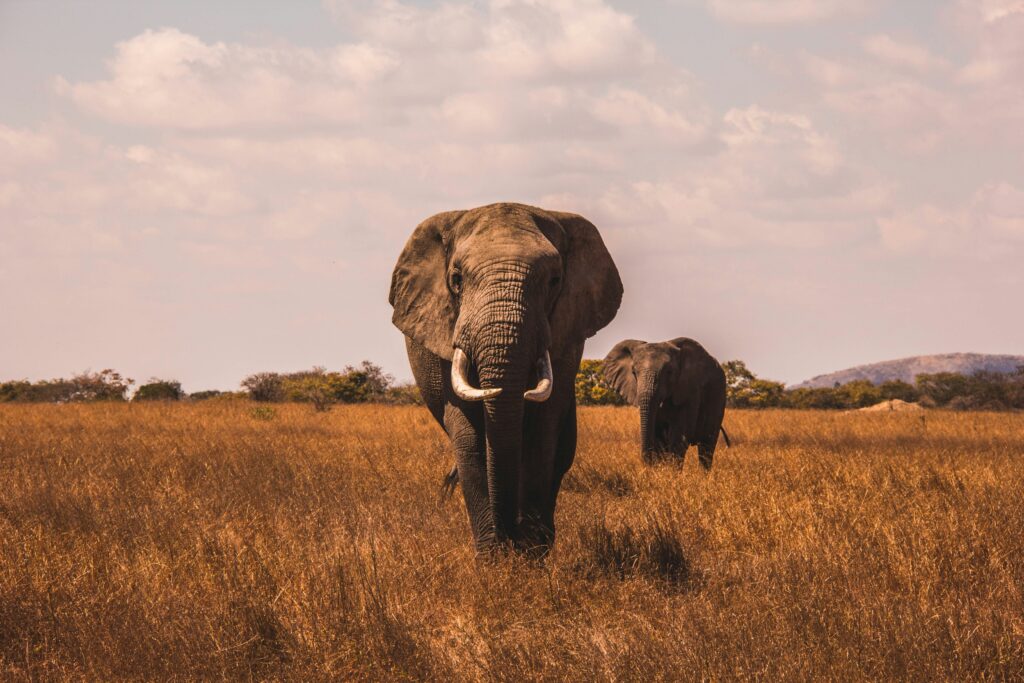
At RTAC, we believe that animals should be respected as wildlife, not treated as tourist attractions. Their welfare, freedom and natural behaviours must always come before entertainment or commercial gain. We do not support the captivity of wild animals for tourism, nor experiences that involve forced interaction, performance or exploitation. Travel should create opportunities to appreciate wildlife in its natural environment, support genuine conservation and contribute to the protection of the animals and habitats that make our world so extraordinary.
Five Domains of Animal Welfare
Nurition
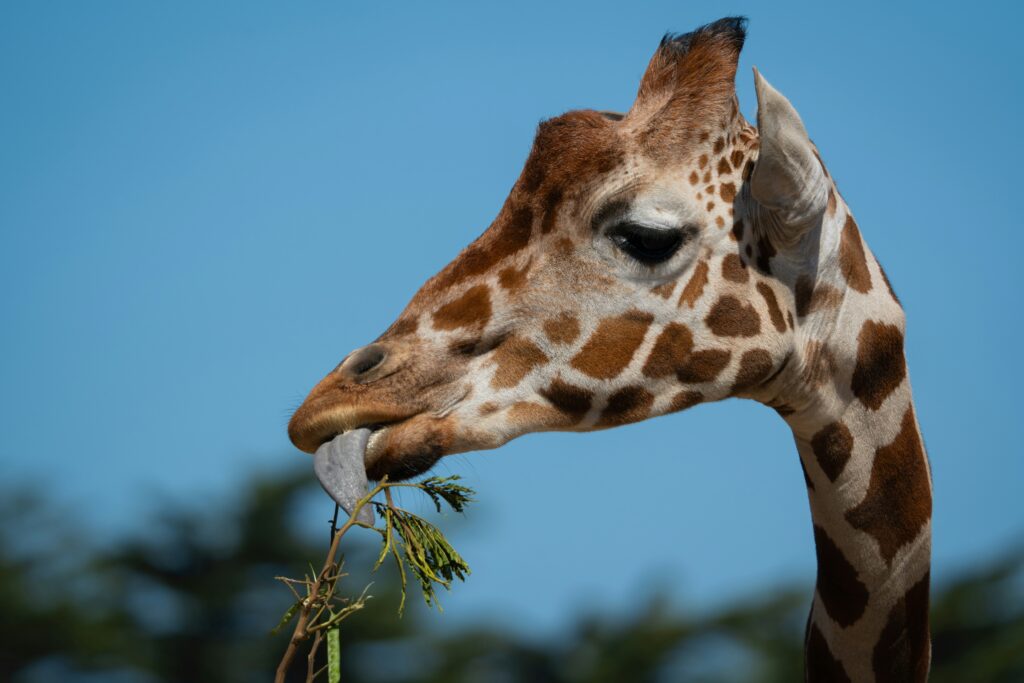
Animals should always have access to clean, fresh water and a diet that meets their species-specific nutritional needs. Food should be provided in sufficient quantity and variety to support good health, while feeding methods should encourage natural foraging and feeding behaviours rather than creating dependency or stress. Proper nutrition is fundamental to an animal’s wellbeing and helps prevent illness, malnutrition and behavioural problems.
Environment
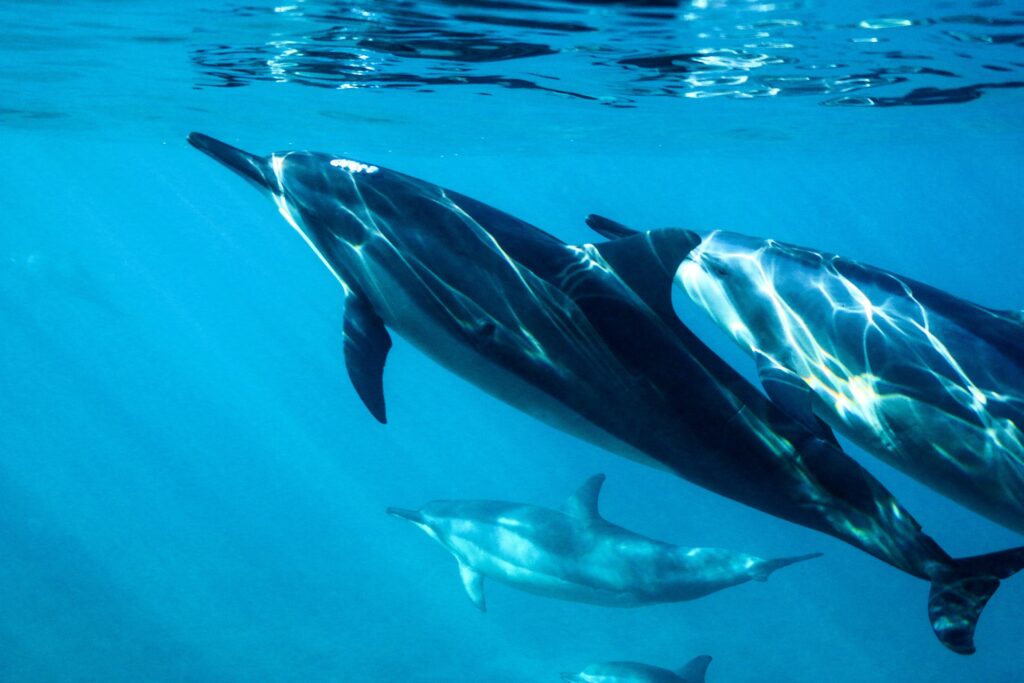
Animals should live in an environment that is safe, clean and appropriate to their natural needs. Enclosures should provide shelter, suitable temperatures, opportunities for privacy and enough space to move freely. Environments should also include natural features and enrichment that allow animals to explore, rest and behave as they would in the wild. A poor environment can lead to stress, discomfort and long-term welfare concerns.
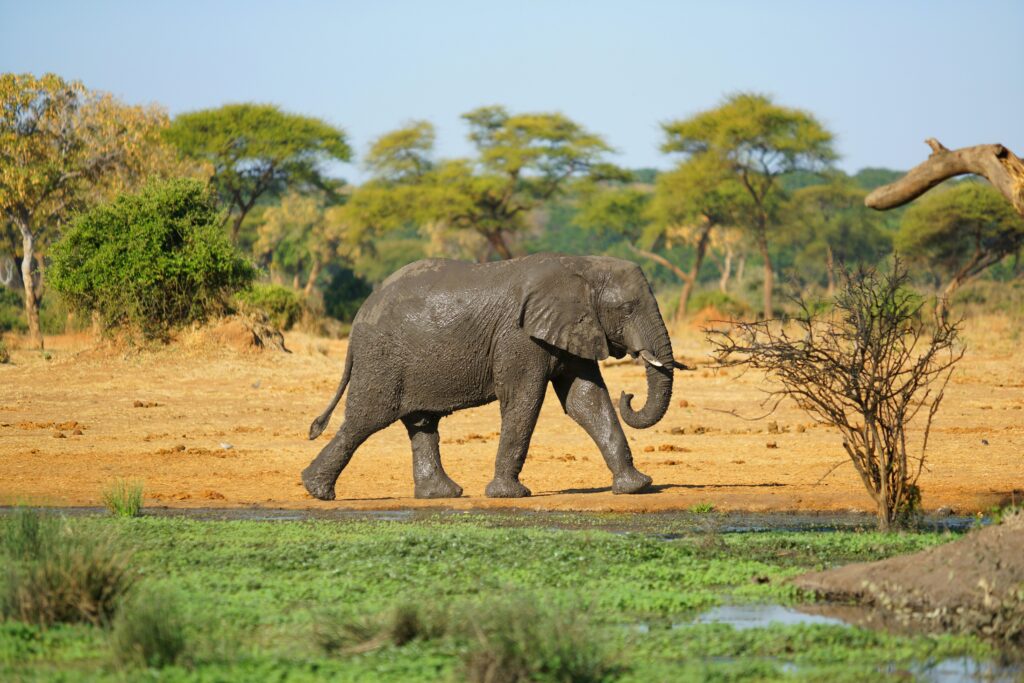
Physical Health
Good welfare requires animals to receive appropriate veterinary care and protection from injury, disease and unnecessary suffering. Facilities should maintain accurate health records and ensure any medical treatment is carried out by qualified professionals. Practices that cause avoidable pain, distress or physical harm should never be used, and the health needs of each individual animal should be monitored and addressed promptly.
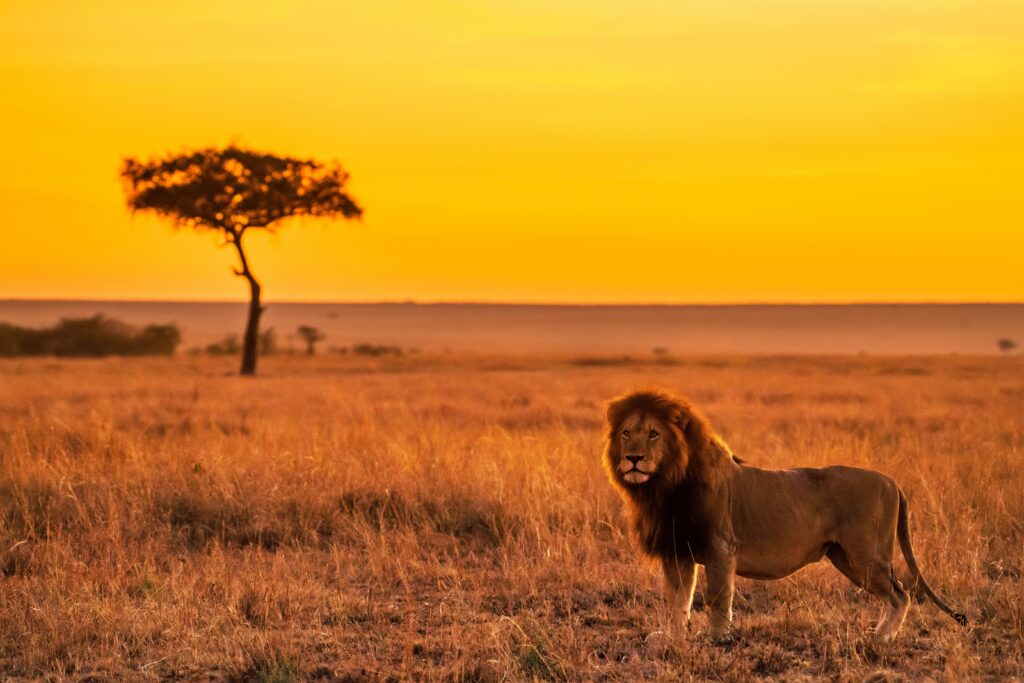
Behaviours
Animals should be able to express their natural behaviours and social interactions. This includes having sufficient space to move, exercise and interact with others of their species where appropriate. Training methods should never rely on punishment or deprivation, and animals should not be forced to perform unnatural activities for entertainment. Supporting natural behaviour is a key indicator of positive welfare.
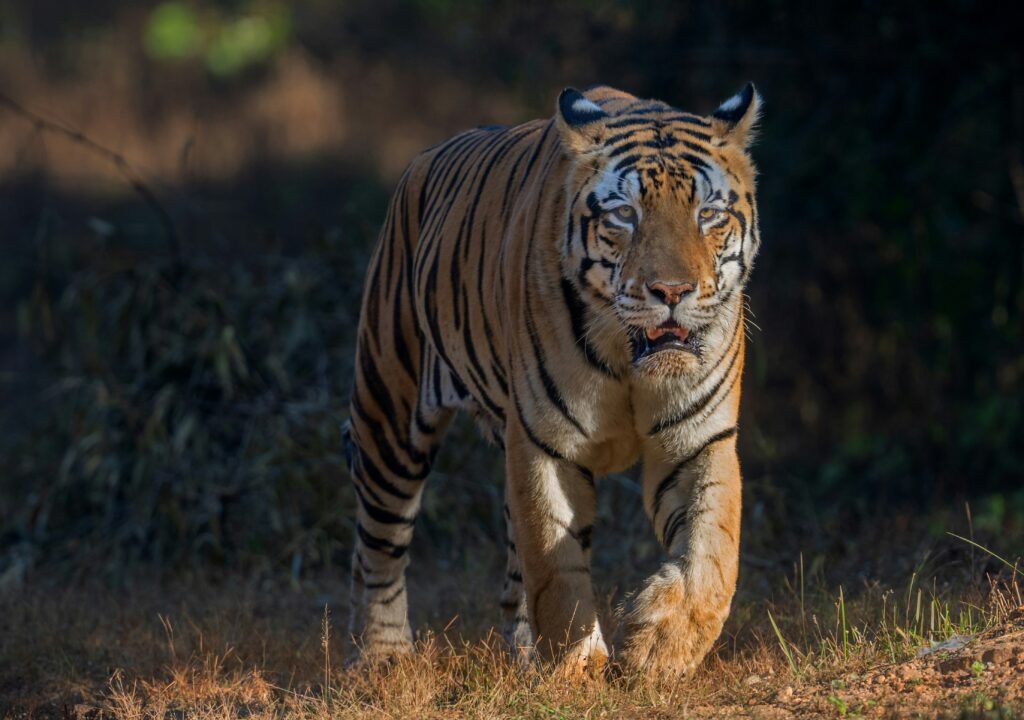
Mental State
The fifth domain considers an animal’s overall psychological wellbeing. An animal’s mental state is influenced by its nutrition, environment, health and ability to express natural behaviours. When these needs are met, animals are more likely to experience positive states such as comfort, security and contentment. Conversely, poor conditions can lead to fear, frustration, anxiety and distress.